

–>

Click Here To Listen To Trust Radio Live
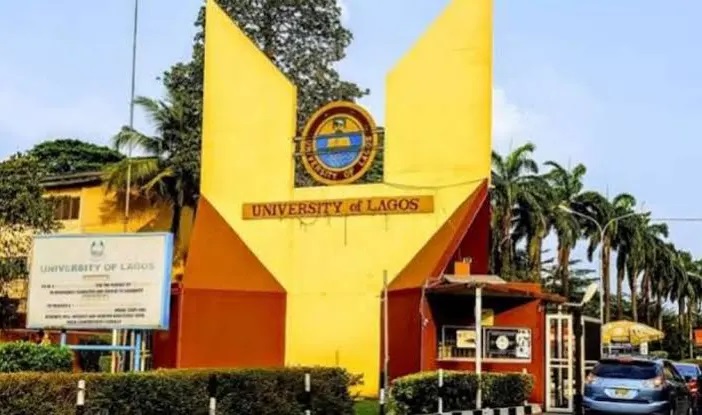
The University of Lagos (UNILAG) has been urged to develop a floating solar farm on the University of Lagos (UNILAG) as an modern answer to the establishment’s electricity wants, given restricted land for typical solar installations.
The Chief Executive Officer of Degeconek Nigeria Limited, Abiodun Adesanya, proposed this improvement whereas delivering a keynote deal with on the way forward for power on the nineteenth UNILAG Annual Research Conference and Fair, themed: “Sustainable Frontiers: Integrating Systems for Food Security, Health, Housing and Humanity for Combating Global Challenges.”
He mentioned the college might discover its waterfront for floating solar panels, providing a possible different to ground-mounted solar farms in an atmosphere the place a lot of the out there land has already been developed.
According to him, Nigeria should develop sensible, regionally tailor-made power options to deal with persistent electricity challenges, whereas benefiting from renewable power sources and out there pure sources.
“The idea of a solar farm, the more the number of solar panels, the more electricity you generate. So where would you install the solar panels? They’ve been installed on rooftops, but you can have a vast open space of land if you have land,” he mentioned.
Earlier, the establishment’s Vice-Chancellor, Prof. Folasade Ogunsola represented by the deputy vice-chancellor (Management Services) Prof. Muyiwa Falaiye mentioned this yr is apt and pivotal to socio-economic improvement, saying it captures complicated and interconnected challenges confronting societies and highlights the pressing want for extra interdisciplinary and sustainable approaches to addressing them.
“Universities play a pivotal role in generating knowledge, fostering innovation, and providing evidence-based solutions to contemporary global issues. Look around the world today, and you will see that the crises defining our era do not respect disciplinary boundaries. Climate volatility, geopolitical instability, public health vulnerabilities and economic displacement bleed into one another,” she mentioned.

Gambo Ismaila is a blogger and copywriter based in Gombe, and he hails from Gombe State. He has five years of experience writing news articles that are grounded in facts, with a focus on reporting that is clear, accurate, and easy for readers to follow. He is the voice behind Talk Politics, his own blog, where he shares his writing with an audience that follows public affairs. His work as a copywriter adds a sharp eye for clear, engaging language, so his stories stay readable without losing accuracy.
Related stories


Business
Alpenglow Solana upgrade begins activation, targeting 150ms transaction finality
Business